Home › Gravel-to-Asphalt Conversions
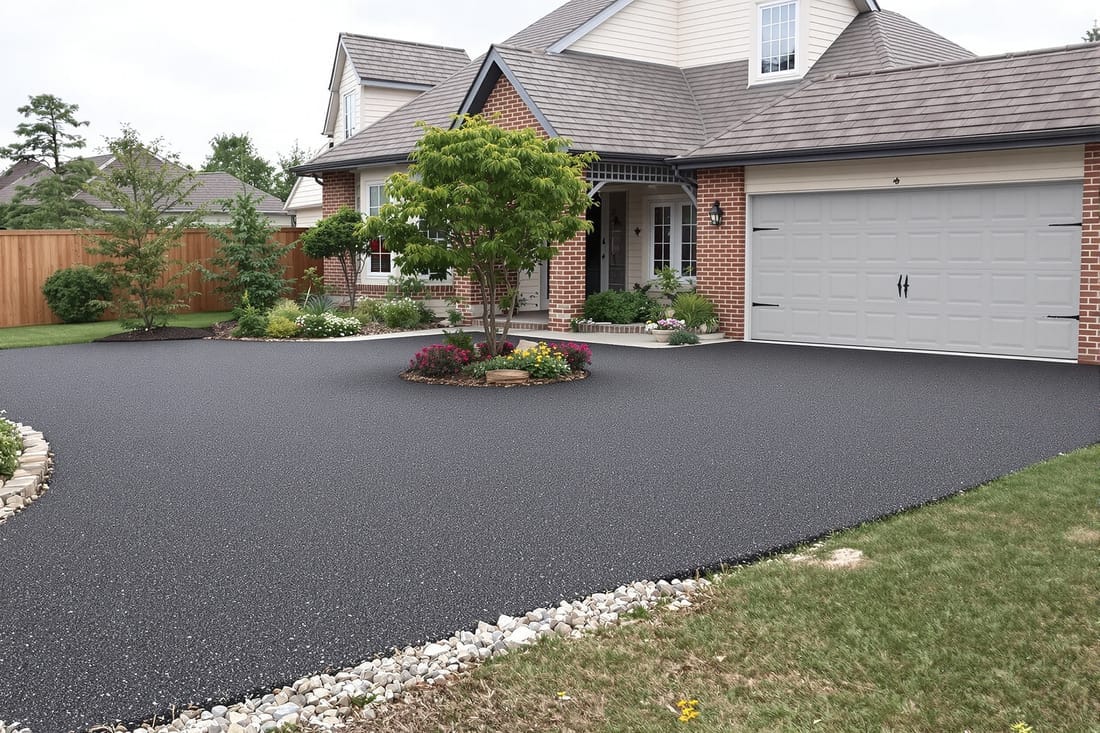
Transform your dusty, muddy drive with gravel to asphalt driveway conversions in Fort Lauderdale, FL. We reshape and compact your existing base, add stone where needed, then install durable asphalt for a smooth, clean surface. Enjoy easier snow and debris removal, less tracking of dirt, and a more attractive entrance to your home.
Precision Asphalt Fort Lauderdale provides professional gravel to asphalt driveway throughout Fort Lauderdale, FL, Florida and the surrounding area. Our licensed, insured crew delivers safe, clean, on-time work with a free estimate before anything begins. Call (954) 335-6036 or request your free quote.
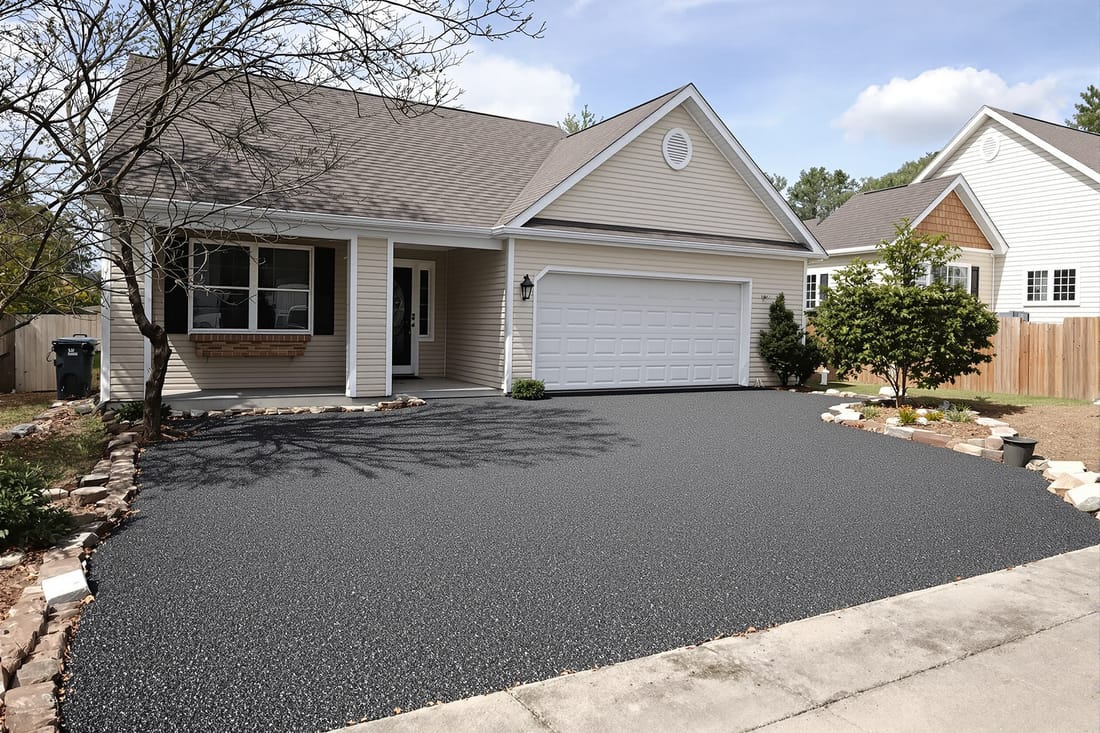
Turn Your Gravel Driveway Into a Smooth Asphalt Surface
If you are tired of ruts, dust, and loose stone, a gravel to asphalt driveway conversion can make getting in and out of your Fort Lauderdale home or business easier and cleaner. At Precision Asphalt Fort Lauderdale, we focus specifically on converting existing gravel driveways and parking areas into durable, low-maintenance asphalt surfaces that stand up to South Florida’s heat and heavy rains.
Many properties here were built decades ago and started with basic shell or gravel drives. Those surfaces were affordable at the time but they wash out easily in summer storms and track into garages and entryways. Upgrading to asphalt gives you a solid, even surface that looks finished and adds curb appeal, while still being cost effective compared to concrete.
We approach each gravel to asphalt driveway conversion as a custom project. A short residential driveway in Rio Vista needs different planning than a shared drive serving four units in a Dania Beach duplex or a small parking court behind a Victoria Park townhome. Before any work begins, we evaluate drainage patterns, how you actually use the space, and what conditions your new asphalt will face, from garbage truck traffic to boat trailers or work vans.
Our Gravel-to-Asphalt Conversion Process
The quality of your new driveway depends heavily on what happens beneath the asphalt, not just how it looks on top. Precision Asphalt Fort Lauderdale follows a step-by-step process that is tailored for our local soils and weather.
1. Site evaluation and measurement: We start with a detailed site visit. We check the thickness and condition of the existing gravel, look for soft spots created by years of rutting, identify low areas where water collects, and measure slopes toward the street or swales.
2. Excavation and reshaping: Any unstable gravel or organic material is removed. In many older Fort Lauderdale neighborhoods you may have a mix of crushed shell and soil under your gravel. We cut these areas out to a stable layer, usually 4 to 8 inches deep depending on traffic loads, then reshape the driveway so water sheds toward approved drainage points.
3. Base construction: For most residential gravel to asphalt driveway projects we install a compacted base of crushed concrete or limerock. In coastal areas like Harbor Beach where the native material is very sandy, we typically use a slightly thicker base layer to prevent future settlement. Each lift is mechanically compacted with a roller or plate compactor to meet density requirements.
4. Edge support: Open gravel tends to spread at the sides. Before paving, we may recommend concrete ribbon curbs, pressure treated timber edging, or extra shoulder base material to keep the new asphalt edges from breaking down when vehicles drive close to the sides.
5. Asphalt paving: We install hot mix asphalt at a thickness suited to your use, usually 1.5 to 2 inches compacted for single family driveways and 2 to 3 inches for heavier traffic. The mix is hauled from a local plant, placed while hot, then compacted with a steel drum roller to create a smooth, dense surface.
6. Final rolling and cleanup: We finish with multiple roller passes for a uniform surface, check transitions to the street and garage, and clean up all loose material so your property is tidy when we leave.
Design Options for Your New Asphalt Driveway
A gravel to asphalt driveway conversion is a chance to improve more than just the surface. Precision Asphalt Fort Lauderdale can adjust layout and details to better fit how you live and park.
We often widen older single-lane gravel drives so two vehicles can pass comfortably, or add a turn-around pad so you do not have to back into busy streets like Broward Boulevard or Federal Highway. For townhomes and duplexes, we can stripe simple parking spaces on the new asphalt so guests and residents have clear spots.
Color and finish options for asphalt are more limited than for concrete, but you can still make smart design choices. A standard black hot mix asphalt with tight compaction gives you a neat, clean look that pairs well with both older mid-century homes and newer modern builds around Fort Lauderdale. We can also discuss sealcoating after the asphalt has cured, which deepens the color and provides extra protection.
Edge treatments can make a big difference. Some homeowners prefer a crisp border where asphalt meets grass. Others choose to add concrete pavers along the sides as an accent. If you already have a concrete garage slab or entry walk, we plan the asphalt height precisely so there is no jarring bump when you drive in.
For properties that see trailers or work trucks, we may suggest a slightly thicker asphalt section in turning or loading areas and a standard depth elsewhere, so you do not overpay for extra thickness where it is not needed.
What Affects Cost on a Gravel-to-Asphalt Driveway Project
Two gravel to asphalt driveway conversions can look similar from the street but have very different costs once we inspect the site. Precision Asphalt Fort Lauderdale walks you through the specific factors that apply to your property so you can make informed decisions.
Base condition: If your existing gravel layer is deep, well drained, and relatively stable, we can often reuse part of it as sub-base, which reduces cost. If we discover pumping water, clay pockets, or very thin gravel over soft soil, we will need more excavation and new base material.
Access and layout: A straight, open driveway in Plantation Isles is faster to build than a narrow drive squeezed between fences with tight curves and limited truck access. Extra handwork, wheelbarrow runs, or small equipment can add labor cost.
Driveway size and thickness: Larger areas cost more overall but less per square foot. Thickness of both base and asphalt layers is tied to the weight of vehicles using the drive. A driveway that occasionally holds a delivery truck or RV needs more structure than one used only for small cars.
Drainage improvements: In many Fort Lauderdale neighborhoods, especially where lots are low, existing gravel drives have chronic standing water. Adding swales, regrading toward the street, or installing small drain inlets increases upfront cost, but protects your new asphalt from water damage and premature cracking.
Tie-ins and extras: Transitions to city sidewalks, the street, or existing concrete pads must be cut and matched carefully. If we remove and replace sections of concrete, add curbing, or stripe parking after paving, those items are broken out clearly in your proposal.
Common Problems and How We Prevent Them in Fort Lauderdale
Local climate and soils create specific challenges when converting a gravel to asphalt driveway. Precision Asphalt Fort Lauderdale has refined our methods around those realities so your driveway lasts.
Heavy rains and high groundwater can soften the subgrade under old gravel drives, which leads to potholes and depressions in new asphalt if not corrected. We perform proof rolling, which means we run a heavy roller or truck over the prepped base and watch for movement. Any soft spots are dug out and rebuilt before paving.
Tree roots are common around older homes in neighborhoods like Coral Ridge and Riverside Park. Large roots left under a new asphalt surface will eventually lift and crack it. We identify root zones during our site visit, coordinate with you about any trees of concern, and, where necessary, remove surface roots and adjust alignment slightly to protect both the pavement and the tree.
Heat and UV exposure in South Florida can accelerate asphalt oxidation, especially on drives with no shade. We use locally appropriate asphalt mixes and compaction practices to reduce surface voids, which slows aging. We also explain realistic maintenance timing, such as when to apply the first sealcoat, so you can plan ahead.
On sloped drives, water can run fast enough to erode shoulders or cause streaking if the surface is not properly crowned and drained. Our crews pay close attention to slope during grading and rolling. We often add stabilized shoulders or simple edge restraints in problem spots to keep water from undermining the pavement edges.
What to Expect When You Hire Precision Asphalt Fort Lauderdale
From first call to final roller pass, we aim to make your gravel to asphalt driveway project straightforward and predictable.
1. Consultation and written proposal: We meet on site, discuss how you park and what issues you have with the current gravel, then measure and inspect. You receive a written proposal that spells out thicknesses, materials, drainage adjustments, and any options like widening or edging.
2. Scheduling and preparations: Once you approve the plan, we schedule the work around both your availability and the weather forecast. We let you know how long access to your driveway will be limited. Most residential conversions take 1 to 2 working days, plus curing time before you can drive on the new surface.
3. Construction and communication: Our crew arrives with the needed equipment, from skid steers for grading to rollers for compaction. A site lead is there to answer questions and walk you through what is happening each day. We handle coordination for material deliveries to minimize disruption in tight Fort Lauderdale streets.
4. Aftercare guidance: When the asphalt is down, we explain curing expectations, when you can walk and drive on it, and how to avoid early damage from sharp turns or stationary heavy loads. You will also receive simple tips for ongoing care, like keeping standing water off the surface and when to consider a first sealcoat.
If you are considering a gravel to asphalt driveway conversion anywhere in the Fort Lauderdale area, from single family homes to small multifamily properties, Precision Asphalt Fort Lauderdale is ready to evaluate your site and provide a clear, detailed plan tailored to your property.